Sophie Wright
18:10 03 Mar 26
I had my first visit to Ringway Dental today for a consultation with Dr Stephen. From the moment I walked in all the staff were so lovely and welcoming and straight away put me at ease. The Clinic itself was beautiful and calming which I appreciated as I am a bit of a nervous patient! But after chatting with Dr Stephen and his colleagues I left feeling so relaxed and much more well informed of my potential future procedure.Thank you again for looking after me and I look forward to booking in with you soon at the new Altrincham clinic!

Sarah B
21:42 26 Feb 26
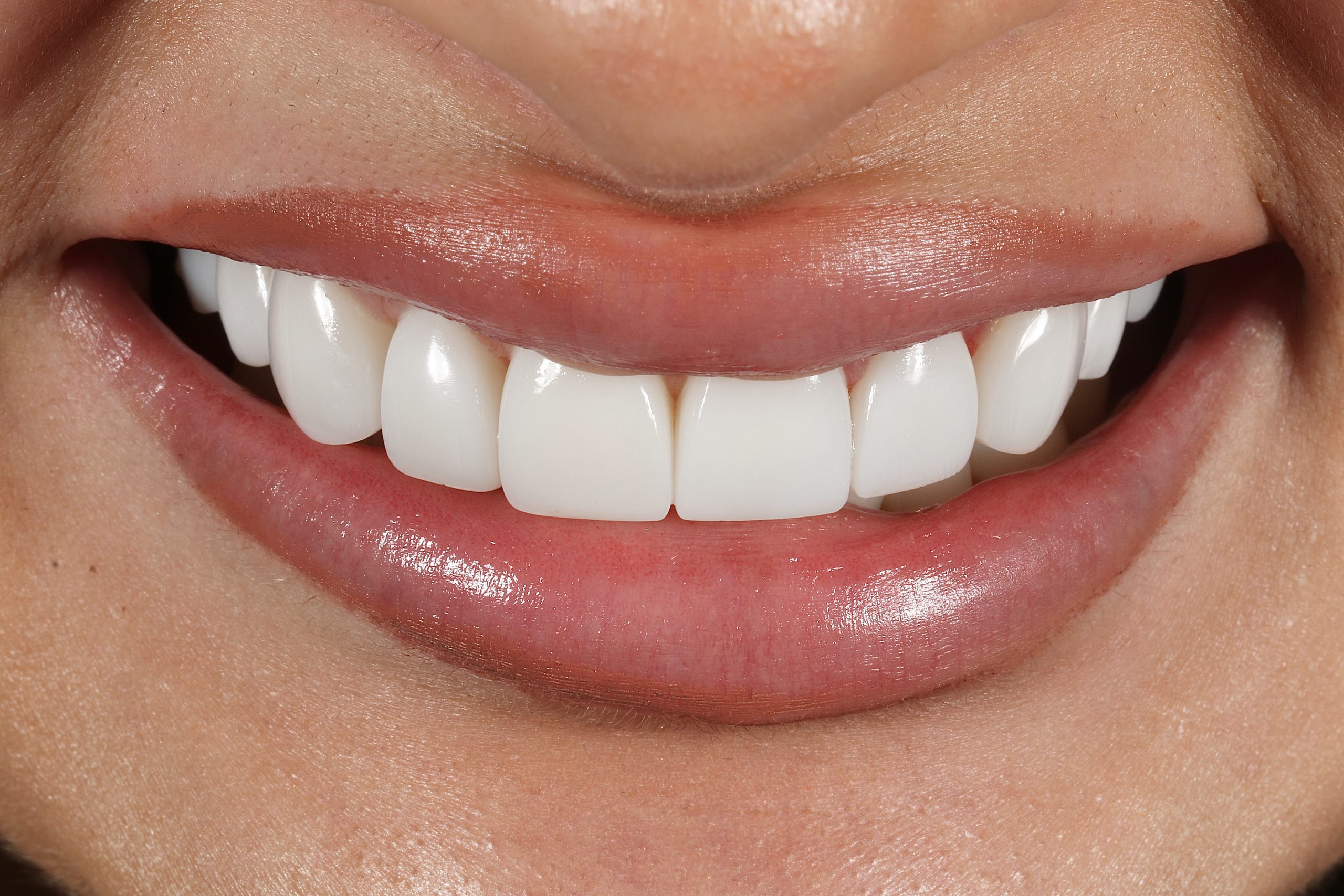
I had my final fitting for porcelain veneers yesterday and I’m so glad I chose Dr Stephen Dodd at Ringway Dental. From the very first appointment to the final result, the care and attention to detail have been excellent.Every member of the team I met - from reception and the treatment coordinators, Grace and Hannah, to Elisha the hygienist, and Stephen and his dental nurses - was friendly, welcoming and extremely professional.The veneers are exactly what I hoped for: an improved shape while still looking completely natural. They’ve restored my confidence in my smile, and you can tell Dr Dodd is a perfectionist from the care taken over the final result.I would highly recommend Dr Dodd and his team to anyone considering veneers or dental treatment. I’ve been so impressed that I’ve now decided to move my routine dental care there as well.

Steve Fletcher
16:11 26 Feb 26
I honestly cannot recommend Ringway Dental highly enough! From start to finish, the entire experience was exceptional.I needed several teeth extracted and was naturally quite anxious about the process. However, the dentist and their team immediately put me at ease with their professionalism, kindness, and clear explanations of every step. The extractions were carried out with incredible care and skill, and I felt comfortable and well looked after throughout.The temporary denture they created for me is absolutely superb. The fit is perfect — secure, comfortable, and incredibly natural-looking. The shade they selected matches beautifully and looks so realistic that no one would ever guess they’re dentures. My smile has been completely transformed, and I feel more confident than I have in years.What truly sets this practice apart is the outstanding aftercare. They took the time to ensure everything was settling well, made small adjustments promptly when needed, and always made me feel like a valued patient rather than just another appointment. Their attention to detail and commitment to getting everything just right was remarkable.On top of all that, the pricing was extremely fair and offered fantastic value for the level of expertise and quality provided. High-end results without an inflated price tag.If you are considering cosmetic dental work, especially extractions, full dentures or implant’s I wholeheartedly recommend this dentist. Professional, compassionate, highly skilled, and genuinely dedicated to patient satisfaction — an all-around five-star experience!

Kristina Platonova
07:11 25 Feb 26
I had my planned 6-month hygiene appointment as part of my routine, and it was a really great experience. Everything was done with so much care and attention to detail. The treatment was thorough yet gentle, and I felt comfortable and well looked after the entire time. The environment was clean and professional, and you can truly feel that they care about their patients. I’m very happy with the experience and would definitely recommend it.Thank you,Kristina Reinberg

Bogdan Martin
13:54 23 Feb 26
My visit today to Ringway Dental was a very positive experience.One of the crowns on my MegaGen implant had become loose and needed tightening. From the moment I arrived, I felt welcomed. The clinic itself is beautifully designed and modern.Before doing anything, Dr. Stephen carried out a thorough examination of all my teeth and took an X-ray of the problematic area. Only after carefully assessing the situation did he proceed with tightening the crown. I appreciated how cautious and methodical he was throughout the entire process. He explained each step clearly before doing it, which gave me confidence and made everything feel transparent and well controlled.Dr. Stephen is a true professional, precise, calm, and lets not forget to mention his perfect Hollywood Smile. The entire team reflects the same high standard of care and professionalism.

vicky taylor
17:01 21 Feb 26
I’ve had a couple of appointments at Ringway so far on my journey for my new smile. Each time they’ve all been so friendly. It has a lovely welcoming & relaxed feeling about the place. I don’t feel nervous at all like I usually am.

Chez 831
12:07 21 Feb 26
As someone who has had varying experiences when visiting dentists over the years, I had a really positive experience at my first visit to Ringway. The staff were really friendly, making me feel very welcome during the appt. Dr Sarah was very reassuring throughout and as she progressed with my initial consultation, explained everything in detail. It was really helpful to receive personalised dental advice about the current health of my teeth and gums and how to care for these more effectively. Dr Sarah was extremely professional, skilled and thorough- even managing to diagnose the basis of a long-standing, persistent dental issue which will now, hopefully, be resolved very soon. Thank you Ringway Dental for such a smooth, professional introduction to your practice! So far, I’ve been really satisfied (and relieved) with the standard of care and communication shown during my first visit and feel greatly reassured about the quality of care I can expect in the future. Thank you.

L C
17:14 20 Feb 26
After issues with my last dental practice I came to Ringway as they managed to squeeze me in on Christmas Eve for an emergency appointment and I decided to stay as a patient.I’m very nervous about the visiting the dentist and when I had a wisdom tooth out recently the team went above and beyond to reassure me and genuinely looked after me. The practice itself is beautiful and modern, and impeccably clean.Recently there was a miscommunication but it was resolved quickly and professionally by Grace and Hannah, who absolutely went above and beyond to put things right. The way they handled it with efficiency and understanding is exactly why Ringway is a premium dental practice and at the top of the game.I already recommend the practice to everyone and will do so even more now.

Tony Golden
07:02 20 Feb 26
My son was a first time patient. He has had severe OCD complicate his life. The entire team at Ridgeway Cheadle made it very comfortable for him to get treatment. They above and beyond to make it as comfortable for him. That means the world to us as parents. That level of care and consideration to others is a very hard thing to find these days. Thank you to Dr Sarah, Grace and all of the team.Tony Golden

Sam Ryder
15:04 09 Dec 25
Wouldn’t go anywhere else. Stephen is fantastic and he did my composite bonds around 3-4 years ago now, and they’re still incredible. I get complimented ALOT! Any issues - he books me straight in with the amazing team without hesitation. I’d highly recommend and wouldn’t suggest to anyone on going anywhere else! They’re the best! No turkey teeth here!! 😂thank you!!!

sally ryan
13:16 21 Oct 25
My visit was for an extraction, fitting of a temporary denture and two fillings. The premises are modern and relaxing the perfect backdrop for any apprehensive patient. I found Dr. Dodd to be highly professional with an excellent technique that put me totally at ease even for the extraction. The whole appointment was seamless and I have no hesitation in recommending Ringway Dental, Dr. Dodd and his team to all. S. A.

Angela Buxton
12:36 14 Oct 25
I recently visited Ringway dental practice , and I couldn’t be happier with the experience. From the moment I walked in, the staff were warm, welcoming, and incredibly professional. The clinic was spotless and calming, which really helped ease my nerves.In my free consultation Grace took the time to explain everything clearly and made sure I was comfortable throughout what procedures were available for me. Their gentle approach and attention to detail made a big difference and follow on contact from Grace of information of prices and if I had any further questions.Highly recommend to anyone looking for a trustworthy dental practice.

Hadeel Al-Khalaf
17:41 11 Oct 25
Great dentists especially with children. My son (less than 10 years old) had 3 teeth fillings before and today he had baby tooth extracted. The dentist Dr. Andrews is always friendly with my son Sami and he loves her. Nurse Melody is so kind as well. Reception staff are so helpful and very professional. There’s a welcoming atmosphere and a corner of complimentary coffee or tea in the waiting area. The place is very clean and the tools used are all sterilized and some are individually sealed which is great in a dental clinic. Prices vary depending on the type of service but I would recommend the place even if it is found more costy than other places.

Hope A.
10:12 30 Sep 25
Ringway Dental is amazing! I used to come here as a child, and now as an adult it’s only improved. The receptionists are polite and friendly, the dentists are very skilled, and the dental hygienists are incredibly effective at educating you about what can be done better to improve your dental hygiene. I never dread the dentist when I come here.

Susan Spencer
16:48 27 Sep 25
can’t thank Ringway Dental enough for helping me out when I had a broken tooth. They were able to fit me in quickly, and the whole team was kind, professional, and reassuring during what could have been a really stressful situation. The care I received was excellent, and I left feeling so relieved. I truly appreciate the prompt attention and the high quality of work—definitely recommend them to anyone looking for a dentist who genuinely cares about their patients!

anonymous M
18:51 24 Sep 25
I can’t recommend Ringway Dental in Heald Green highly enough! From the moment I walked in, the team made me feel so welcome and at ease. The reception staff are friendly and professional, and the whole practice has such a calm, modern, and comfortable feel.My dentist took the time to explain everything clearly, answered all my questions, and made sure I felt completely comfortable throughout my treatment. The level of care and attention to detail is outstanding, and it’s clear they genuinely care about their patients’ wellbeing.The results have been fantastic, and I’m so glad I chose Ringway Dental. If you’re looking for a dentist who combines professionalism, expertise, and a truly personal touch, this is the place to go!

Toni Tamberlin
08:42 19 Aug 25
I couldn’t recommend this dentist more! I’ve had my Invisalign and bonding done with them which has been a great experience they are so helpful and professional and did them looking so natural. I’ve signed up with them for my regular check ups now too as the service you get with the hygienist is nothing like I’ve had before, the dentists here really care about keeping your teeth healthy to prevent needing more work done! Big thanks to Dr Spencer for making me feel at ease throughout the whole process.

Andrew Hacker
12:16 23 Jul 25
Really happy with the composite bonding I had done. It was quick. They look natural. Dr Claire did a fantastic job. I had two fillings done as well, so didn’t really see the full benefits until that wore off, but I am so happy with the results.

Alyson Madeley-Davis
21:48 02 Jul 25
Always great service from all the staff especially Dr Claire Spencer she’s very good at dental treatments and cosmetic work. I would highly recommend her. It’s Well worth traveling over from Sheffield for my dental treatment.do pleased with the results, thank you.Lovely pleasant staff and beautiful clean surgery.

Miss H
16:01 18 Mar 24
I have been really impressed with my experience at Ringway dental. I am currently awaiting to start teeth whitening treatment, I have wanted to have it done for years but always felt too nervous. However, all the staff at ringway have been so informative and reassuring about the process and I feel excited to start my treatment when my moulds arrive. Jess was especially helpful and I spoke to her via a whastapp consultation before I booked a face to face appointment and she really took the time to answer my questions and provide me with relevant information. Really appreciate it.

hayley Lennox
22:53 17 Mar 24
My son had his first consultation this week. We were made to feel very welcome. The experience was better than expected and we have come away with much more knowledge to make a better decision on treatment options.My son can't wait to start his treatment soon.Thank you.

Melissa Petch
18:24 17 Mar 24
I was delighted with my visit! Dr Claire Spencer has given me the confidence to go to the dentist again since I have had bad experiences! I am very excited to see my new smile in the future. I live in London, and making this trip is 100% worth it and trust this practice! Thank you!

Esme H
15:03 17 Mar 24
I had a great experience at Ringway Dental. It was easier to book in for a consultation online, and Stephen and his team were super friendly and helpful. I felt like the advice offered to me was professional and accurate, and I look forward to booking in for my treatment.

T Skues
22:05 16 Mar 24
I was really nervous prior to my visit to Ringway. I’ve never had the best experience with dentists before. However, this experience was completely different! From walking through the front door and being greeted by the friendly, front of house staff, to my consultation with Andy and his team, my treatment plan consultation with Jess, and my dental scan with Kate. Every single member of staff I’ve encountered at Ringway has been incredible. Each and every one have put me at ease right away. For the first time ever, I am looking forward to my future appointments, and the transformation which awaits.

Lucy
22:55 03 Mar 24
I've always been nervous of a trip to the dentist, but going to Ringway is completely different. The staff put you immediately at ease and are calm and friendly. Easy parking too. 100% worth going private for!

Karl featherstone
19:48 21 Feb 24
I am at the beginning of my smile makeover journey and the whole service so far has been faultless! Two options were given to me, there’s no pushy tactics or pressure to make a decision, which gave me ample time to make an informed decision, with Jessica always contacting me at the times we’ve previously agreed to follow up. I’ve had many questions that have always been answered and referred to the dentist for clarity in anytime of doubt. I’m excited for the end results!

Chenyu Du
23:18 20 Feb 24
The staffs are very kind. I booked a consultation appoint with Ringway. The staff had helped me to found a time slot just few days after my call. The dentist examined my situation, explained the treatment plan and addressed my concern very well. It is a very nice experience at Ringway Dental Practice.

Tiffany Yeung
11:06 19 Feb 24
Visited this dentist for a new patient examination due to wisdom teeth pain and had X-rays done. Dr Aimee Holloway was really friendly and professional, providing clear advice and explaining treatment risks. Nakita also gave great consultation and advice. Even though English isn't my first language, I felt comfortable throughout the visit. The whole appointment took just 45 minutes, and I appreciated the convenient online booking system with transparent pricing. Highly recommend!

Ella Scott
07:54 19 Feb 24
Easy to get an appointment via the website. The practice is clean and stylish and spells like a spa - rather than that characteristic clinical dentist smell. All staff are friendly, professional and sympathetic to your concerns. Prices are competitive also. Thank you Ringway for getting me on the right path to my dream smile!

Bran L
12:48 13 Feb 24
⭐️⭐️⭐️⭐️⭐️Came in today to have my tooth fixed up by Andy🙏🏻I had developed a fear with anyone messing with my teeth after past experiences at another practice.Andy and his Colleague put me at ease and made sure I was ok throughout the procedure and will be coming to Andy from now on 😊Extremely satisfied with the practice both all the staff are very friendly and respectful to you which puts you at ease.⭐️⭐️⭐️⭐️⭐️

Sehrish Yasmin
17:03 31 Jan 24
Professional friendly staff, excellent service. I felt welcomed and knew I was in good hands. No complaints and very happy with my treatment plan. Would definitely recommend Ringway Dental

Taonga Kaonga
19:40 29 Jan 24
It was my first time visiting the clinic. Very straightforward process from the initial phone call booking, through to the day of the appointment. I was made to feel comfortable during my duration of the appointment and the hygienist talked through every step of the way. I would highly recommend.— Taonga

Keith Lawrence
18:27 24 Jan 24
At Ringway, it has been the first time I felt a dentist took the time to look at my teeth and give honest feedback. Things I’ve thought about for years and no one has raised but now I feel listened to. Hygienist is incredible. Didn’t feel a thing. It’s given me the kick to take my teeth seriously again. Very happy and not to mention the signature fragrance they pump the place with

Natalie Cuthbert
17:07 24 Jan 24
Great service. I’m terrified of the dentist after a previous bad experience snd the team at Ringway were fantastic, so supportive and really put me at ease.I have a clear treatment plan which was thoroughly explained to me, and I’m excited to start my journey towards achieving a smile I am happy with.Couldn’t recommend enough, my only wish is that I had found them sooner.

Laraine Bowden
20:30 23 Jan 24
Our son loved his first trip to the dentist. Steven made him feel so comfortable and there were no tears! He even had a giggle and shouted 'yehy' when he got a sticker. Great experience for someone who was expecting a toddler meltdown. Thank you!

Christine Walker
15:19 23 Jan 24
What a lovely team of people! I am only just starting on my journey to get my teeth straight, but I have high hopes and I think the team at Ringway Dental are going to make it a pleasant journey. It's a lovely place with a calm atmosphere and the people are all so kind and just make you feel welcome and at ease. I can't wait to get going!

Micheal Holbrook
08:34 20 Jan 24
Well where to begin with my experience with Ringway dental they are absolutely amazing the staff or wonderful and careing. From my first appointment they make you feel so welcome and comfortable and they still make me feel like that now. I was so nervous when I first went to Ringway now I look forward to going there. I can’t wait to be back there on the 26th on Jan I no sounds mad right who says can’t wait to go dentist haha honestly tho if you need to be seen too or get your teeth done this is the place to be amazing staff amazing people amazing dentist. Thank you so much Ringway dental and the team

Mandy Johnson
23:05 19 Jan 24
Always very professional and welcoming. I never feel worried or concerned going to the dentist now I am at Ringway! The staff are always very efficient, knowledgeable and supportive. So happy with my treatment and ongoing care.

Donna Phillips
21:16 19 Jan 24
I’m currently new on my Ringway dental journey. From booking my appointment, to arriving, to meeting Dr Dodd everything has been really efficient and well communicated. I’ve now opted for Invisalign upon advice and this will commence in a couple of weeks. My needs were understood and everyone had been really friendly and helpful. Thank you.— Donna Phillips

Varda Ali
10:49 14 Dec 23
I came to Ringway Dental for composite bonding after my friend had the same treatment done with Dr. Claire. Not one to write reviews but I just had to - Dr. Claire is a true asset to the team. She took the time to understand exactly what I wanted & was very accommodating. Her work is beyond amazing & her attention to detail is excellent, giving a very natural result. I honestly can’t stop smiling since - thank you!

Sophie Duffy
13:19 13 Dec 23
Everyone at Ringway Dental have been so lovely. I lost my front tooth after an accident a few years ago and they have been comforting throughout the whole process and explains what needs to be done and why in a way that I can understand. I would really recommend Ringway over an NHS dentist as they go above and beyond to make you have the smile you’ve been wanting! I look forward to continuing my dental journey here!— Sophie

Arian Paknahad
15:41 05 Dec 23
Amazing team, very informative and helpful in every way possible. I went to ringway dental for a composite veneers and it was great. Love the outcome of my smile very much. Highly recommend Ringway Dental Practice and especially Dr Andrew 🦾🦾

Nikki jade
15:56 01 Dec 23
Got accepted into the dentist straight away after being on NHS waiting lists for over 3 years, mentioned to the dentist about my mental health issues and I felt very supported on my first appointment. The staff helped me when they could see I was struggling and explained everything to me very well and gave me time to make my decisions. Absolutely amazing communication which is really important to me. My family will all be joining soon too :)

Caiti Betterton
18:46 29 Nov 23
So far I have only had one consultation appointment with dentist Aimee, who was extremely calm and clear when explaining the process. I didn’t feel pressured to rush into a decision and the staff including a receptionist were very kind and took the time to explain everything to me in detail and reassure me that I was making the best decision for me.I am feeling hopeful that my experience will be as painless and relaxed as possible.

Charlotte Higgins
23:42 27 Nov 23
Moved to Ringway Dental after my son had a bad experience with an NHS dentist. Stephen restored my son’s confidence in having his teeth examined, he now looks forward to visiting the dentist!Stephen also looks after my teeth and is always thorough and extremely gentle. I would have no hesitation in recommending Ringway Dental.

Richard Smith
12:22 27 Nov 23
I’d previously had some composite bonding done at another dentist in Cheadle Hulme and wasn’t happy with the result. I went to see Stephen who listened carefully to my concerns and provided a plan of action. He took his time and the work was carried out with great care and attention to detail. I’m now very happy with the results. I wouldn’t hesitate to recommend him and his team. Thank you.

Daria
15:50 24 Nov 23
Best dental practice I've been to by far. Was told by another dentist I needed a molar root canal, but Dr. Andrew Brown saved the tooth. As a person with dental anxiety and disabilities, I particularly appreciate how caring and comforting everyone at the practice is. Would highly recommend Ringway Dental.

Sneha D
01:07 15 Nov 23
I was really impressed with Dr Claire's services on the day of my treatment. As I was getting 4 front teeth composite edge bonding, I wanted a natural look on my teeth, and she knew exactly what I wanted. Her work is fantastic, and I would recommend her to anyone seeking for composites. I'd also like to thank Jessica for making me feel so welcome and for helping through my experience at Ringway Dental.

Matthew Tomlinson
18:15 13 Nov 23
Nothing bad to say Ringway dental are brilliant. Stephen and his team made me feel welcome competitively priced and the work completed was outstanding. There dental plans are very cheap as well. I'd recommend Ringway dental to anybody.Thanks you.👍🏻👍🏻👍🏻

Neil Swift
15:35 09 Nov 23
I am a new patient, and EVERYONE in the practice are so professional. Dr Stephen Dodd is so knowledgeable, very informative and an amazing eye to detail The entire practice was very up-to-date with modern equipment and it has such a pleasant environment. Stephen really loves what he does, I researched a dentist that produces smiles that are amazing but natural and from my research Ringway dental came way out top, I live 60 miles away but I was willing to travel and I’m super happy I did , I had a great experience and will be coming back regularly. One of the best!!
Sneha D
18:41 31 Oct 23
I was really impressed with Dr Claire's services on the day of my treatment. As I was getting 4 front teeth composite edge bonding, I wanted a natural look on my teeth, and she knew exactly what I wanted. Her work is fantastic, and I would recommend her to anyone seeking for composites. I'd also like to thank Jessica for making me feel so welcome and for helping through my experience at Ringway Dental.

Will Wakefield
17:31 31 Oct 23
From the moment I walked i was greeted by the reception staff. They booked me in offered me a drink and made me feel at ease as I am a nervous patient. Was called in for my appointment/consultation. I didn’t feel judge, and was well looked after. They came up with a price plan for the work needed. I’m happy with the price and can not wait for the treatment to start. Thanks Ringway Dental

Kurt Manning
20:07 29 Oct 23
Lovely friendly staff that go above and beyond to help and make you experience memorable. Lovely, clean modern practice. Professional appointment and we’re able to assist me with my dental needs. Would definitely recommend.

Tracy Walsh
08:46 28 Oct 23
Went to Ringway as an Emergency appointment Dr Claire, made me feel comfortable and relaxed. Having had a fall aboard I had knocked 3 of my crown out and damaged the other 3 which all needed taking out. Within one week I had my teeth out and a denture plate put in which looks better then my original crown. (They had been In 34 years). I am now waiting to have my implant put in but have to wait for my gums to heal.Great service every member of staff helpful and plesent

Nikos Kouvatsos
17:52 16 Oct 23
I had a pleasant visit during my check-up. The staff is very friendly and the dentist, after checking my teeth, explained to me what I can do to keep them in good health. I can't wait for my next visit where I am going to see the hygienist for cleaning and polishing.

Lara Webster
16:33 10 Oct 23
Received a warm welcome at this really smart practice & found all the staff to be helpful. Dr. Steven Dodd was very thorough with his examination & gave me various options for me to consider. I then had an in depth discussion with his team leader about how various plans could be considered. At no time did I feel pressured into making a quick decision.I felt extremely comfortable at this surgery & feel Steven is a highly competent dentist producing some amazing transformations.

Stephen O'Halloran
19:36 09 Oct 23
Dr Claire has been amazing. I had a recent tooth infection and Dr Claire and the team got me in very quickly for an emergency appointment. They set up a treatment plan involving settling down my tooth infection down and then proceeded to treat with a root canal. The team reassured me all the way through and my tooth is healing up very well now thanks to the expertise of Dr Claire. Thank you again for your amazing support.

Natasha Billah
19:34 04 Oct 23
All the team are so friendly and happy to help. They take the time to answer any questions with a smile on their face and I have come away each time really pleased with my experience. Thanks to Ringway I really understand how to maintain healthy teeth and gums much better than I have at previous dentists.

Natalie Edwards
13:45 02 Oct 23
Great dentist, all the staff are friendly, the premises is modern and clean. My clean and polish appointment was on time and very thorough. Would definitely recommend. Would be good if there was more parking on the premises but there is free public parking a short walk away so not a big issue.

Thomas Mitchell
17:40 01 Oct 23
The team have been brilliant all the way through my experience getting Invisalign. Everyone is always welcoming and accommodating and availability for appointments is always good. Was recommended through a friend and I wouldn’t hesitate to recommend them to others

Arslan Iqbal
17:28 01 Oct 23
My experience was great from start to end. The front of house team are very helpful and friendly, and make you feel at ease. Stephen made me feel extremely comfortable and discussed all the options with me with positives and negatives so I could make an informed decision. The treatment coordinator discussed different payment methods that would work for me and she was very flexible with her approach and reassured me throughout. All the team were more than happy to answer any questions I had before I decided to proceed with the treatment. Will definitely be recommending to family and friends.

zoe brandwood
17:27 01 Oct 23
The whole team at Ringway are so lovely! They’ve made me feel so comfortable and supported through the work I’m having done. Every member of staff I’ve dealt with has been brilliant.I’d recommend them to anyone who is considering a smile makeover!

LISA ROSS
09:33 30 Aug 23
I had a great experience at Ringway, from the initial phone conversation to the consultation with Stephen Dodd and his team. Everything was explained in detail and I was given various options. Unfortunately the treatment recommended was more than I anticipated, hence the cost was a lot more than I expected and I had to put treatment on hold for a while. However, I would highly recommend Ringway Dental for a super friendly, professional practice with lovely friendly staff.

David Norris
17:41 29 Aug 23
Amazed at how welcoming and professional at the same time with this practice.After a bad experience with another practice I was recommended ringway and even with a 3 hour drive to attend appointments it is worth it in every way.The whole team are extremely pleasant and make you a priority by listening and planning your treatment in a genuine and caring manner.The work I have had done up to this point is second to none.This is the only practice that i have visited that has given me confidence in the treatment I am receiving.I wont go anywhere else now.

Sarah Cox
18:24 27 Aug 23
I was in severe pain and needed work as soon as possible. Called at 9 was in the chair at 10.20! Amazing service. Back 2 days later for consultation and 2 tooth extraction and X-rays. I had a full discussion and felt listened to and trusted the consultation was personalised and what I needed, not just what they wanted. Excellent service. Beautiful clinic. So glad I chose Ringway Dental! Thank you.

Chelsea Greenwood
01:04 27 Aug 23
Professional and friendly!From the initial phone consultation to the two times I’ve been to the practice,( I will be returning for treatments as I’ve opted for a smile make over, which I can’t wait for 😆) the service has always been impeccable. The staff are all so friendly and smiley, which makes any nerves go away..I used to dread going to the dentist, but now it’s a much more pleasurable experience. The practice its self is so clean and the interior is beautiful (I’m forever getting lost in the art work on the walls) which also adds to the experience. 😅I highly recommend ringway dental, I have nothing but good things to say!

Lianna Spalding
19:56 26 Aug 23
Recently had whitening and 8 composite veneers with Stephen. Absolutely over the moon with my new smile. It’s completely transformed my whole face and confidence. The practice is gorgeous and everyone I’ve encountered has been so lovely, welcoming and knowledgeable. I would absolutely recommend Ringway to anyone and will continue to go for my regular checks and cleans.

Hannah Carter
22:38 20 Jul 23
I've had a great experience with Ringway Dental. They're very efficient and always friendly. The communication was great about the treatment options and pricing. Can't wait to see my results!

Charlotte Sivori
12:43 17 Jul 23
Since beginning my treatment plan with Ringway Dental, I have found the staff incredibly helpful, friendly and informative. My most recent hygiene appointment and filling change were excellent and I felt calm and relaxed throughout. I can’t wait to continue with my plan and look forward to my end results. Excellent.

Chris Bradburn-Frost
08:47 17 Jul 23
The experience I received at Ringway Dental with Dr Dodd was amazing. It had been a while since my last dentist trip and I was anxious about it. But the whole experience was amazing, I was made to feel at ease and have no issues in now returning for future treatment. Would absolutely 100% recommend.

Joel Turner
18:50 29 Jun 23
Personally I hate going to the dentist but when needs must.. I called ringway for an emergency appointment for a tooth extraction, they were completely understanding, fit me asap and from start to finish I was met with a great friendly staff, professional, supportive to my situation and very very good at what they do, I highly recommend! I didn’t catch the names of girls who looked after me yesterday so I’d like to extend a special thanks to them both ✌🏼

James Roxborough
16:02 26 Jun 23
By far the best dental practice I have ever been to and I've lived all over the country! Friendly reception staff, Stephen/ Claire explain everything in detail and really take their time with you. Same with Susie the hygienist. You're not left feeling like another patient on a conveyor belt like in some places. Could not speak more highly or recommend enough. Thank you!

Rebecca Coleman
21:53 25 Jun 23
Absolutely amazing. All the staff are so friendly, calming, professional and lovely. I had some initial anxieties about going to the dentist again after 10 years. But everyone here makes it so much easier, and I’m now looking forward to getting that beautiful smile I’ve always wanted. Thank you for helping me overcome that fear.

Robert Clark
08:29 20 Jun 23
I would highly recommend Ringway Dental. Excellent dentist. I found all staff and dentists to be professional, polite and caring. I do not like going to the dentist and it has been several years since my last visit. I now feel far more confident after having treatment at this practice. The five star rating is well deserved and justified.

Simon Playle
20:03 18 Jun 23
Such an amazing experience. Everyone was great from my first enquiry through to my appointment!My appointment was carried out very professionally and both ladies that were in the room were very polite and made me feel really relaxed! Some great advice and my teeth feel and look great! Thank you!

Sara Peyton
09:37 22 May 23
I cannot say enough how incredible Ringway Dental is. The care, precision, and empathy they have for each patient is just beyond anything I've ever experienced. They have worked with me from my finances, to my dental plan, and made their practice an incredibly welcoming atmosphere. Every single person who works there is essentially the happiest I've ever met! What an outstanding team - I actually love going to the dentist now!

Thomas Reece
08:20 21 May 23
I cannot recommend Ringway Dental enough. I have used Ringway for years and even though I’m now over 2 hours away from their practice I will always use them and go back to Dr Stephen Dodd.Stephen is absolutely brilliant, he is friendly, knowledgeable and so helpful with the advice he’s given to me. I’ve lost count of how much work I’ve had done with him to improve the look of my teeth as they now look so good.He has built a brilliant team with a superb front of house team, treatment coordinator and hygienist. It isn’t now a dread to go and see the dentist. 5* service each time I’ve been.

Steph Cere
08:24 27 Mar 23
This dentist has such a different feel from other dentists I’ve visited in the past. Staff are lovely and welcoming. I was really pleased to get my initial consultation within days and then further appointments to get me on my way with Invisalign really soon after. Ringway have a great social media presence which is a good sign too! Excited to finish my treatment here. Pricing was also competitive and much more affordable than others in the area.

Niall Hales
01:11 12 Mar 23
I'm not one to give a 5 star review but what a Dentist this is!My 1st visit here (being nervous from mistreatment from my usual) I was greeted by Greta with a smile from the get go she was really engaging!, We didn't have a full conversation but she was nice and made me feel welcome as soon as I entered!I was seen by Susie to which I have got to say is the most professional but down to earth dentist I've had to date, Susie was informative - knowledgeable and attentive to any questions I presented her.She explained every step start to finish and advised thoroughly the importance and key tips to keeping a good hygiene, not only this she had explained the importance of a plan and how it would work over the course of the next few months.I had made a comment about my practice not being as helpful as they should be and me being disappointed about me not receiving this level of service from my usual dentist, Susie kept her professionalism in regards to this and focused on the task at hand!.If you are going to invest your money into a business that runs like clockwork, I suggest you do so here - you're paying for a service not only from a dental standpoint but also a customer service standpoint.I thought the reviews was good to be true, I'm pleased that I was proven wrong.Thank you Susie and team; I look forward to my next visit!

Traci Cowsill
16:44 19 Jan 23
I have a massive Denist phobia, but I saw Ringway Dental on Instagram and loved their work so I decided to have a consultation and on my 1st visit I met the team and they were so nice. I have had 2 further appointments since (more to come) and EVERYBODY is so polite , professional and friendly, they put your mind at ease if you have a phobia. I just had my 3rd visit today and that was with the hygienist - Kate and she was amazing and made me feel very relaxed cause I was quite anxious about the visit.. !! Definitely glad I found them on Instagram .. 👍🏾😉

Cassell Music
08:49 27 Dec 22
I was recommended to Ringway Dental by a friend of mine, firstly I was impressed by the work she had done, her teeth were flawless, and secondly their social presence was fantastic. Having been thinking about having some much needed work done on my teeth for a while, I can only say that my first experience was fantastic. My consultation with Dr Phil End was extremely professional, providing me with a clear roadmap to my perfect smile. I’m now booked in to start my journey, and would 100% recommend it to anyone that is thinking of doing the same.

Jenny Freedman
21:00 18 Dec 22
The whole visit from start to finish was brilliant.The staff at reception were welcoming and helpful and gave me all the information I needed so I didn’t need to ask any questions!The waiting area was lovely and a relaxed environment, I was seen by dr Claire Spencer at exactly my appointment time I didn’t have to wait.The clinic is clean and professional.Claire was thorough with the information she gave me and the options I have regarding my treatment plan and was keen to get my opinions and work with me to obtain the best result possible.The ability to pay via credit options is also a bonus!

Abbey Norris
18:22 28 Nov 22
All the staff are polite, professional and personable, the packages were tailored to my needs and discussions were held to ensure I had the best knowledge of all options before I made a decision.Much like the Clinic the staff are stylish, sleek and look great.Most of all they are friendly and approachable. Nothing is too much trouble, I’m delighted to be on my dental transformation with Ringway.5*service !

Mollie Yates
10:24 23 Oct 22
Excellent service from start to finish. I was able to get my first appointment within days of calling up. Upon arrival to the dentists, the atmosphere was lovely, everyone was friendly and I was seen almost straight away. The service is very personable which is nice, and you’re made to feel very relaxed. Due to a cancellation I was able to be seen for my follow up appointment the exact same day! I couldn’t be happier with the service and with the practice, and I am so glad I chose to join here.

Sara Mazzanti
12:51 03 Oct 22
Thank you so much Ringway Dental, Dr Stephen and all of your wonderful sparkly team. My experience with this practise has only been positive and I have left every time feeling truly happy. Dr Stephen certainly goes that extra mile to ensure you are fully satisfied with the treatment you receive and you can rest assured you are in very good hands!

David Goodman
16:41 05 Sep 22
My experience with Ringway Dental has been very positive. All of the procedures and treatment plans were explained thoroughly so that I understood completely, and the customer service from every member of staff I encountered was superb. Everyone was very friendly, polite, and made me feel welcome.I’d highly recommend Ringway Dental to anyone looking for top class dental care.

Laura Aspinwall
13:05 03 Sep 22
As always, the service as Ringway Dental was fantastic. All staff very knowledge, professional and caring. Dr Dodd really takes the time to understand his patients and endeavours to provide the very highest quality of care and work. I had the pleasure of being treated by Susie who, I genuinely think, is the best hygienist I have ever encountered: gentle, thorough and efficient. Thank you to everyone for a wonderful experience!

Nicola Cheryl
09:00 03 Sep 22
Lovely staff. Fantastic dentists! They are patient, calm and explain everything you need to know. Very clean. Great experience from start to finish. Feel comfortable when you walk in. Attentive and friendly practitioners.

Oliver Tuley
22:36 02 Sep 22
5* from start to finish. Finished my treatment with Dr Dodd and the team. Fixed braces for 11 months, whitening and then composite work to finish! I couldn’t be happier. All the staff are warm and put you at ease. I’ve enjoyed every visit. Thanks again!

Abigail Farrell
22:07 02 Sep 22
All staff are super welcoming and friendly, always happy to help.The practice is a well laid out, clean and calming environment.Communication between the staff and patients regarding appointments and dental plans is great so you always know what to expect and are always kept updated.

Beth Nevis
19:16 07 Aug 22
The team at Ringway Dental are incredible. There is a warm, inviting atmosphere as soon as you walk through the door of the clinic. I've visited a few other dentists in the past and switched for various reasons but I'm so glad to have found Dr Stephen Dodd and the team. The attention to detail is second to none and the team go above and beyond to ensure every visit is as comfortable and enjoyable as possible. If you're looking for a new dentist, Ringway is your answer.

Siobhan McGregor
00:01 05 Aug 22
Absolutely 100% and that's exactly what I've been doing telling others about a fantastic dentist.I have never felt more relaxed in a dentist than I did here.Staff are very welcoming and friendly and make you feel at ease the moment you walk through the door.I will be back.Thank you so so much

Jade Burslem
13:58 04 Aug 22
my whole experience was personal and very comfortable! I was a little nervous before my appointment and they were so welcoming. They listened to exactly what I wanted and offered me tailored options to achieve my dream smile! Highly recommended!

Jodie Howe
10:43 25 Jul 22
Brilliant service from start to finish! All my treatments were fully explained and I was made to feel comfortable at all times. From someone who hasn't had the best dental experiences in the past, I now feel happy I have finally found somewhere I know will look after me properly! Cant recommend them enough. Thank you.

Steven Brown
06:57 23 Jul 22
I recently visited Ringway Dental for a hygiene and a general check up appointment.Molly was extremely efficient in booking my appointments and made it very easy and convenient for me.The practice is very slick with a high end interior. As always my appointments were on timeThe hygienist was very good. She was so gentle, I had no pain or sensitivity at all. She was knowledgeable and provided some great tips on how to maintain high hygiene standards.Dr Dodd’s approach is first class. His professional manner and attention to detail is second to none!.As a patient it is absolute evident that Dr Dodd genuinely cares about the service he provides. This is reflected throughout the practice.He creates a warm, friendly, family like atmosphere which removes any anxiety and makes visiting Ringway Dental an absolute pleasure. He is a genuinely nice guy! I will not have any other dentist touch my teeth.Overall Ringway Dental continue to provide consistent, exceptional, high end stellar service.If you are looking for outstanding customer service and care from a group of exceptional passionate professionals then I highly recommend visiting Ringway Dental.

Karen Sandler
19:58 22 Jul 22
I had some pretty major dental surgery at Ringway Dental. Dr Dodd completely put me at my ease and explained everything to me in detail. I like to know what is going to happen during and post surgery. So far, so good and hopefully, it has all gone to plan. They were recommended to me by a friend and she appears to be right.

Iqra Tariq
10:23 05 Jul 22
It was a lovely experience the staff were all extremely kind and friendly. They made me feel very comfortable and everything was very simple and straight forward. The interior was stunning and I have already recommended Ringway Dental to many of my friends and family.It was definitely the best experience I have had at a dental practice 😊

Maria Thomas
17:08 04 Jul 22
Ringway Dental is absolutely beautiful inside. The staff are so friendly, helpful and calming. I've been going to Dr Dodd for years and I wouldn't ever want another dentist. If you're looking for a top quality, caring dentist - Ringway Dental is for you!!

Kethan Parmar
18:10 19 Jun 22
First time at Ringway Dental and I will definitely be going back. The staff are super friendly and professional. I felt at ease all the way through the treatment and my teeth felt amazing after the seeing the hygienist. Thank you, see you soon.

Ruth Todd
20:16 16 Jun 22
Amazing experience so far, seen and assessed by Dr End.Process and expectations explained and managed perfectly.Really excited to start my Invisalign journey 🦷I had very much done my research before and know what sort of end result I want to achieve. Ringway and the team definitely fits the build.

Amy Hawes
19:14 05 Jun 22
Very professional throughout the whole process of getting my teeth done, I’m so pleased with the results. Dr Dodd did such a good job and I would highly recommend him. All the lady’s who work there were very kind and helpful the whole time.Thank you very much

Rowan
13:00 03 Jun 22
All the team have been really friendly and professional at Ringway Dental, and I was very impressed with the efficiency and smooth running of their service. The consultations were all thorough, and everything was explained to me as I went along. I have bit of anxiety around dentists but they really put my at ease and I now have a treatment plan in place. Thanks everyone!

Hannah May Murray
08:41 19 May 22
Beautiful and clean salon, very friendly and helpful staff. My dentist listened to everything that I wanted and we created a plan for the next year to ensure that my vision would come to life. I would highly recommend Ringway Dental to anyone looking to improve there smile.

Adele Hughes
20:50 13 May 22
I had such a warm welcome as a first time visitor to the practice. Dr Ellie’s knowledge and passion is reflected in her work. I felt completely at ease knowing I was in safe hands

Lubna Ahmad
18:19 01 May 22
As someone who has always found visiting the dentist quite nerve wracking, Ringway Dental has always made the experience so easy. From a friendly welcome, the super friendly staff, to gentle procedures and providing thorough explanations and understanding. I am grateful for having found such a wonderful place, that has helped me overcome a lifelong phobia.

Janet Jones
00:12 28 Apr 22
Wonderful dental practice, extremely helpful staff and dentist. THE BEST tooth clean I have ever had. Would definitely recommend to anyone.

David Carey
16:09 20 Apr 22
I found my experience with Ringway Dental to be very professional and friendly throughout. Great facilities, and made me feel welcomed and at ease. Very happy with my experience so far!

david whitehurst
14:58 03 Apr 22
I found the dentist and staff at Ringway Dental to be very gentle, caring and thorough with my treatments. I was kept informed at every stage and was offered a cancelled appointment by the receptionist for which I was very grateful. I have several other treatments to undergo and I feel confident these will be carried out with the same care and efficiency as I previously received.

Louise Coxhead
21:48 17 Mar 22
Lovely Practice and everyone is so helpful and welcoming. I have noticed a big difference overall with my teeth and looking forward to the improvements of the whitening and composite veneers. I have had my hygienist Verity make such a huge difference to my teeth already and despite my hour journey each way wouldn’t go anywhere else.

Rachell Crew
19:31 17 Mar 22
Really good experience from the start. Lovely welcoming reception team and area and a nice spacious dental room.Made me and my young son feel very comfortable. Wouod highly recommend.

Hana Griffin
10:52 06 Mar 22
I had a lovely experience at Ringway Dental on my recent visit. Dr Phil was great and made me feel at ease when undertaking the first stages of my Invisalign treatment. Furthermore, all of the receptionists and dental nurses were very friendly and helpful. It is a very calming and friendly environment! X

Saniya N
21:33 17 Feb 22
I had my first appointment with Ringway Dental yesterday. Having had bad experiences with other dental practices in the past, I have nothing but positive comments to say about this practice. I was booked in with Verity the hygienist, she was very friendly and made me feel at ease throughout the appointment. She explained the treatment step by step and gave me some good advice. The receptionist was also lovely. I would definitely recommend this dental practice and look forward to my next visit.

Gavin Clarke
16:38 30 Jan 22
I simply cannot rate Ringway Dental high enough. Having not been to a dentist throughout the Pandemic I really needed some dental work to be done. From first visit to job done in a couple of weeks and I'm delighted with the result. The people are wonderfully friendly, and the service is faultless. I'm delighted I chose Ringway Dental and would not hesitate to recommend them.

Amy
20:42 16 Jan 22
My experience from getting in touch with Ringway Dental to booking my appointment has been nothing but positive. Jade on reception was so lovely and welcoming when I got there, very smiley and chatty. Verity and Sue were so lovely and considerate; they made me feel so at ease during the whole of my hygiene appointment and gave me some great advice. Fabulous dental practice and team!

Rebecca Scholes
17:18 04 Dec 21
I recently had my first appointment at Ringway Dental and the service was nothing but amazing. The receptionist was very polite, friendly and personal. All of the staff including Dr Stephen Dodd made me feel very relaxed & comfortable. I’m already looking forward to going back for my next appointment!

Lisa Rogan
12:03 02 Dec 21
Welcoming, friendly and a very professional dental practice. I have been a patient of Doctor Dodd’s for many years now. He is very passionate, gives an honest opinion and is extremely meticulous in everything he does! You are also made to feel at ease during all procedures hence, another reason I have followed him to Ringway Dental!

Chloe Andrew
20:13 17 Nov 21
Unbelievable customer service, attention to detail and customer journey. Dr Dodd and his team are 10/10! I went into my smile journey after a bad experience with a previous dentist and was so worried but he reassured me, didn’t overcharge for his services and made a bespoke plan to change my teeth completely and brought back my confidence! I wouldn’t go to anybody else and have recommended over 3 family/friends who are now with him and feel the exact same. Thanks for everything, you’re the best.

Tom J
13:02 15 Nov 21
After years of searching i have found my forever dentist! From booking my appointment to my consultation with Stephen, i am so pleased with the whole experience. Stephen was very clear and helpful when advising what would be best to achieve my desired end result. Such a welcoming friendly team too.. i can’t wait to start my new teeth journey! Thanks guys x

Dan Hatton
20:16 14 Nov 21
An excellent experience. The staff knew exactly what they were doing and presented me several options and price plans. I am definitely going to be using them in the new year

Rob Smith
17:14 08 Nov 21
I absolutely can't recommend Ringway highly enough. The entire team play a big part in creating a friendly, welcoming, and informative environment. The treatment itself was absolutely superb, and carried out to an extremely high and attentive level. If you have any questions during the process, these will be answered with knowledge and speed. Thank you so much! If you're looking for cosmetic dental work, look no more, you won't regret it! 😁

Julian Yates
10:36 31 Oct 21
Very efficient. Was able to get an appointment on the same day to start the process of investigating an implant to replace a tooth that had recently been extracted. The appointment was with the owner and he explained the next steps. I received confirmation of the booking for the required scan of my jaw later that same day.

Edward Beresford
17:59 27 Oct 21
For starters all of the people I met at Ringway Dental are super friendly and made me feel at ease immediately. The Practice owner, Stephen Dodd, listened to my requirements and where necessary offered alternatives which at the end of the day was what I wanted to hear! It is such a nice practice that I cannot praise it highly enough. Lovely practice, lovely people!

Sarah Aylward
08:10 04 Oct 21
I am so delighted with my new smile, thank you! Dr Dodd knew exactly what was needed and his recommendations were spot on. He is both highly skilled and a perfectionist. He has a relaxed and friendly approach but is also highly professional. At my initial consultation he took time to discuss my concerns, expectations and treatment options. After my treatment he took time to make sure that I was really happy with the results before I left. Ringway dental has stylish surrounds and fantastic reception staff who are the perfect combination of being friendly, knowledgeable and efficient. The perfect choice for cosmetic dentistry!

S Yousaf
19:22 26 Sep 21
I had my first appointment here since the new ownership, the staff were friendly and I had my issue sorted out swiftly and very efficiently. I was very pleased with the level of service, options of cosmetic treatment available and polite staff. I would definitely recommend. The surgery has also been updated and looks alot more modern.

Kirsty Lee
10:12 19 Sep 21
After phoning a few dental clinics in the area and having such poor customer service it was a breath of fresh air when I contacted Ringway Dental. Nikita on reception was so helpful and explained all the options from the outset. I know I need lots of work doing as I have a few broken teeth which happened during lockdown.I was booked in for an emergency appointment immediately and they even managed to accommodate me the same day. I saw Susie who was so nice and she put me at ease straight away.I look forward to returning and completing the remainder of my treatment at the practice and would highly recommend to nervous patients as everyone is so nice and friendly.

Julie Papadopoulos
18:55 18 Sep 21
I was really shocked when I heard that my old dentist was leaving as I had been with her for a very long time. I even considered moving dentists but I thought that the new dentist taking over was worth a try. I have to explain that I am a perfectionist and have very high standards when it comes to my teeth but so far Dr Stephen Dodd and the team at Ringway Dental have blown me away with there knowledge and expertise. I also love all the changes that have been made which gives a modern feel and a pleasure to see.

Emma Fletcher
20:39 15 Sep 21
Dr Stephen Dodd is by far the best in the industry..fact! His knowledge and expertise makes you feel confident and happy that you’ll achieve the results you want. I always feel very welcomed when I visit and comfortable and confident that I’m getting what I’m paying for.You are all a happy and smiley team of professionals which are easy to talk to and we always have a laugh. Never change! You are doing an amazing job!Thanks Emma

Jordan Macdonald
12:43 24 Aug 21
Instantly on the same page with the issues that I wanted to address, explaining all the options and finding the right solution for me. All the staff at the practice were super friendly and helpful. Really happy with the progress and extremely professional throughout.

Caroline Hitchen
22:00 22 Aug 21
I had a really informative first trip to the hygienist at Ringway Dental, following my first appointment with Stephen. I definitely needed some guidance and they were brilliant in letting me know what to do to make a difference almost immediately. They shared with me what percentages of damage was there and then advised I had another appointment a few weeks later, once I'd had a chance to start taking the right course of action. On my second appointment it showed that it was definitely going in the right direction, which has encouraged me to carry on. The fact that they showed me the results and encouraged me to take action myself was great.

Jessica Molyneux
19:23 19 Aug 21
Cannot recommend Stephen and the team at Ringway Dental enough! To being greeted at the door with such a friendly face, to hygienist checks, to my appointments with Stephen & the dental nurses, to reception staff - everything is outstanding and nothing is ever too much trouble! Stephen has really taken his time to help me create my dream smile & I could not be happier! Can’t thank you all enough!

Connor Fitzgerald
11:00 24 Jul 21
I couldn’t recommend Ringway Dental enough. All of the staff have been very accommodating and of course the dental work I have had done was perfect. Steve is a genuine artist and he has made my teeth look incredible. The procedure for my composite bonding was very simple; done over a couple of weeks to accommodate the whitening procedure I did from home. Thanks again to all the staff!

E S
07:52 16 Jul 21
Great set up and after initially being very nervous about meeting a new team I can honestly say I had nothing to worry about. The whole setup is clean and inviting and every single member of the staff were polite friendly and professional. For me while I can't say visiting the dentist is something I look forward to they have left me feeling that I am in good hands and I am getting looked after in a caring sympathetic and professional environment. I would have absolutely no doubt in recommending Ringway Dental to anybody. 5 Stars and fully deserved

Natalie Louise
18:14 07 Jul 21
I visited Stephen for the second time, this time going to visit his new practice, which was absolutely stunning. There isn't anyone else I would trust with my facial aesthetics and this time the effects have been the best yet. The staff were all amazing and made me feel so welcome. I couldn't recommend it more.

Jill Macdonald
09:37 05 Jul 21
What can I say from the minute I meet Dr Dodd and his team it was all systems go to give me the smile of my dreams.Thank you so much to Steven, Jade and all the dental nurses involved in my treatment. The process was seamless and so exciting every step of the way.Having seen my beautiful new smile my family are now on the waiting list for a consultation!

lucy potter
08:46 02 Jul 21
Stephen and the team at Ringway dental have been fab! They have been great throughout my whole experience over the last 12 months with the initial change of my teeth and the braces. Special shout out to Jade too as she’s always a smiling, a friendly face and a credit to Stephen's team. I look forward to continuing my journey with Stephen and team in the coming months/years after my baby. I’m that step closer to the teeth I want thanks to these guys and I couldn’t recommend them more if I tried!